

Les-Artigues-De-Lussac
Artigues-de-Lussac is a town belonging to the Canton of North Libourne and part of the community of villages of the Greater Saint-Emilion Area. Its area spread over 1016 hectares and is located 5 km from Saint-Emilion. Today the town has 1,101 inhabitants, called the Artiguais and Artiguaises.
Néac
Néac is a town of the Greater Saint-Emilion Area and part of the Canton of North Libourne. Located 10 km from Libourne, it is also located 10 km from Saint-Emilion, on a hill that stands at 54 meters high, its area is 688 ha. Today the town has 377 inhabitants, and they are called Néacais and Néacaises.
Saint-Emilion
Saint-Emilion is a town belonging to the Canton of the Coteaux of Dordogne and part of 8 towns of the Jurisdiction of Saint-Emilion. It also belongs to the community of villages of the Greater Saint-Emilion Area. Located 40 km north-east of Bordeaux and 8 km from Libourne, it stands on the hillside north of the Dordogne valley. The town now has 1,876 inhabitants, including 200 intramural, called Saint-Emilionnais and Saint-Émilionnaises.
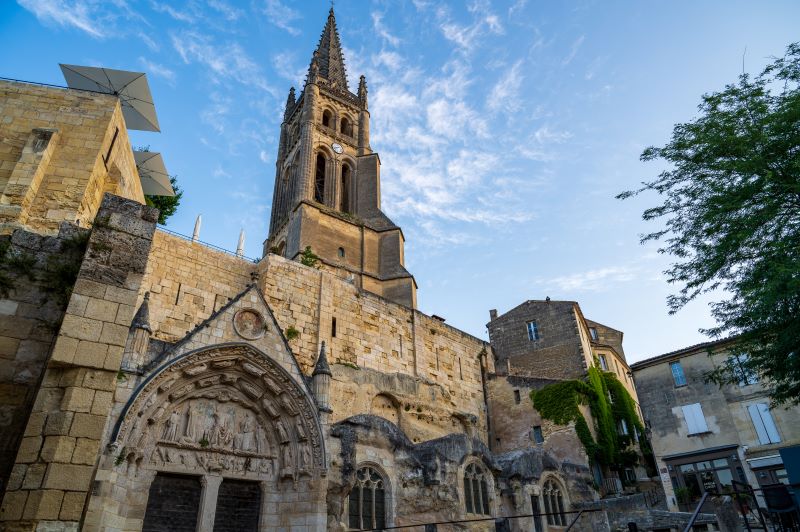
This is a historic village surrounded by vineyards, internationally renowned, visited by over a million tourists each year. It is part of the former Jurisdiction of Saint-Émilion, territory on the list of World Heritage Sites since 1999 for its cultural landscapes.
Vignonet
Vignonet is a town situated on the edge of a loop of the Dordogne River, belonging to the Coteaux of Dordogne’s Canton and part of 8 towns of the Jurisdiction of Saint-Emilion and site listed as world heritage by UNESCO. Its area is 415 hectares and its located 7 km from Saint-Emilion and 12 km from Libourne. The town now has 495 inhabitants, called Vinitais and Vinitaises.
Saint-Pey-Darmens
Saint-Pey-d'Armens is a village in the Canton Coteaux de Dordogne and part of the Jurisdiction of Saint-Emilion that is listed as world heritage landscape by UNESCO.
The municipality covers 420 hectares, and more than three quarters of this area - extending on both sides of the RD936 - is occupied by extensive vineyards. It is located 7.5 km from Saint-Emilion and 12 km from Libourne. The town has 203 inhabitants, called Peyrelais and Peyrelaises.
Sainte-Terre
Sainte-Terre is a town in the Greater Saint-Emilion Area and it is also part of the Canton of Coteaux de Dordogne. Its area is 139 ha, and is located 8 km from Saint-Émilion. Today the town has 1,891 inhabitants, called the Saint-Terrois and Sainte-Terroises.
Saint-Etienne-De-Lisse
Saint-Étienne-de-Lisse is a municipality in the Coteaux de Dordogne Canton and part of 8 towns of the Jurisdiction of Saint-Emilion. Its area is 710 ha, and is located at 5 km from Saint-Émilion. The town now has 249 inhabitants, called Stéphanois. Saint-Étienne-de-Lisse is twinned with the city of Framsden in UK.
Montagne
Montagne is a town of the Great Saint-Emilion Area and part of the Canton of North Libourne. The village is 97 meters above sea level and is located 6km from Saint-Emilion. Its area is 2,670 ha. Today, the town has 1,542 inhabitants called the Montagnais and the Montagnaises.
Lussac
Lussac is a town of the Greater Saint-Emilion area and the head town of the Canton of North Libourne. It is 9 km from Saint Emilion and its area is 2,343 hectares. Today, the town has 1,269 residents, and they are called the Lussacais and Lussacaises.
Puisseguin
Puisseguin is a town of the Great Saint-Emilion Area part of the canton of North Libourne. It is located at 7.4 km from Saint-Émilion and its area is 1,725 hectares. Today the town has 873 inhabitants, and they are called the Puisseguinais and the Puisseguinaises.
Tayac
Tayac is a town situated on the edge of a loop of the Dordogne, belonging to the Canton of North Libourne and part of the 22 villages of the community of parishes of the Greater Saint-Emilion. Its area is 722 hectares and it is located 13 kilometers from Saint Emilion and 18 kilometers from Libourne. The town now has 131 inhabitants, called Tayacais and Tayacaises
Petit-Palais-et-Cornemps
Petit-Palais-et-Cornemps is a town of the Great Saint-Emilion Area and belongs to the Canton of North Libourne. Located in the district of Libourne, it is 16 km from Saint-Émilion and has an area of 1,432 ha. Today the town has 724 inhabitants, and these are called the Petits-Palaisiens and Petits-Palaisiennes.
Francs
Francs is a town of the Greater Saint-Emilion Area and is also part of the Canton of North Libourne. It is 14km from Saint Emilion, on a hill culminating at 96 meters, and is spread over 359 hectares. Today the town has 190 inhabitants, called Francs.
Saint-Genès-De-Castillon
Saint-Genès-de-Castillon is located 50 km north east of Bordeaux, 7 km east of Saint-Emilion and 7 km north of Castillon-la-Bataille. The town is part of the Canton of Coteaux de Dordogne.
The area of the town is 680 ha; its territory lies at an altitude between 32 and 98 meters, but the majority remains above 90 meters. It is its hilly nature of its relief that allows Saint-Genès-de-Castillon to offer beautiful panoramic views.
They are 394 inhabitants and they are called Saint-Genésiens and Saint-Genésiennes.
Saint-Philippe-d’Aiguilhe
Saint Philippe d'Aiguilhe is a small town of 373 inhabitants located to the east of Libourne, in the Canton of Coteaux de Dordogne. Its inhabitants are called the Saints-Philippois or Saints-Philippoises.
Covering a area of 587 hectares, it is mainly surrounded by the vineyards of the Côtes de Castillon and Puisseguin.
Located 13 km from Saint-Emilion, the town is crossed by the county road RD 123 between Castillon-la-Bataille and Saint-Seurin-sur-l'Isle. in the centre of the town, there is the romanesque Saint-Philippe’s church and a multi-service business (grocery, restaurant, bakery), Town Hall, a Post Office, a school, a multipurpose hall, a stadium and finally a tennis court.
Belvès-De-Castillon
Belvès-de-Castillon is a municipality of the Great Saint-Emilion Area and a part of the Canton of Coteaux de Dordogne. It is located at about 10 km from Saint-Emilion and 16 km from Libourne, its area is 661 hectres. Today the town has 333 inhabitants, and they are called Belvésiens and Belvésiennes.
Gardegan-Et-Tourtirac
Gardegan-et-Tourtirac is a town of the Great Saint-Emilion Area and part of the Canton of Coteaux de Dordogne. It is located 20 km east of Libourne and 11 km from Saint-Emilion. Its area is 960 ha. Today the town has 286 inhabitants, and they are known as Gardeganais and Gardeganaises.
Saint-Sulpice-De-Faleyrens
Saint-Sulpice-de-Faleyrens is a town situated along the Dordogne for about 10 kilometers, and belonging to the Canton Coteaux de Dordogne. One of eight town forming part of the Jurisdiction of Saint-Emilion, listed as a World Heritage Site by Unesco in 1999 for its historical vineyard landscape. Its area is 1,817 hectares and its located 5 kilometers from Saint-Emilion. The town now has 1,379 inhabitants, called the Saint-Sulpiciens.
Saint-Laurent-Des-Combes
Saint-Laurent-des-Combes is a town of 262 inhabitants, part of the Saint Emilion Jurisdiction in the Canton Coteaux de Dordogne, it is located 3km south east of Saint-Emilion on high lands, over 300 m above sea level. its surface area is 386 hectares. Its inhabitants are called the Saints-Laurentais.
Saint-Hippolyte
Saint-Hippolyte is a small town located in the hills of the Greater Saint-Emilion Area, belonging to the Dordogne Coteaux Canton and part of the 8 towns of the Jurisdiction of Saint-Emilion. Its area is 444 hectares and it is located 4.6 km from Saint-Emilion and 10 km from Libourne. The town now has 138 inhabitants, called Hippolytains.
Saint-Hippolyte has remarkable architectural on the Ferrand plateau which is overlooking the Dordogne valley.
Experience the Grand Saint-Emilionnais
Embark with us on this experience: take the time to explore, taste, meet people, marvel... and come back again and again.
Grand Saint-Emilionnais Tourist Office
Le Doyenné - Place des Créneaux
33330 SAINT-EMILION





Experience Saint-Émilion Intensely
Discover our must-see summer experiences and book your special moment







![file-1669391602-1-65674c76f1faa579911848-65784e643d47b524773678[1].jpg](/uploads/img/file-1669391602-1-65674c76f1faa579911848-65784e643d47b524773678-1-65d8ac6182c91523697916.jpg)
![file-1540483096-1-65a14db77f51a247990293[1].jpg](/uploads/img/file-1540483096-1-65a14db77f51a247990293-1-65d8ac7486911410100552.jpg)
![file-1667480970-1-65a14dd0c0e89960011444[1].jpg](/uploads/img/file-1667480970-1-65a14dd0c0e89960011444-1-65d8ac79c66bc978329401.jpg)
![file-1540483611-1-65a14ddf1edb1361202119[1].jpg](/uploads/img/file-1540483611-1-65a14ddf1edb1361202119-1-65d8ac7decd62222166625.jpg)
![file-1540452839-1-656756f8b0490105304124-65784ecfb0283132305882[1].jpg](/uploads/img/file-1540452839-1-656756f8b0490105304124-65784ecfb0283132305882-1-65d8ad2031f06281683023.jpg)
![file-1648807821-1-65a14694224e6133895960[1].jpg](/uploads/img/file-1648807821-1-65a14694224e6133895960-1-65d8ad2af3b02605001865.jpg)
![file-1605793669-1-65a14bd43be0c307238561[1].jpg](/uploads/img/file-1605793669-1-65a14bd43be0c307238561-1-65d8ade5a019f913359529.jpg)